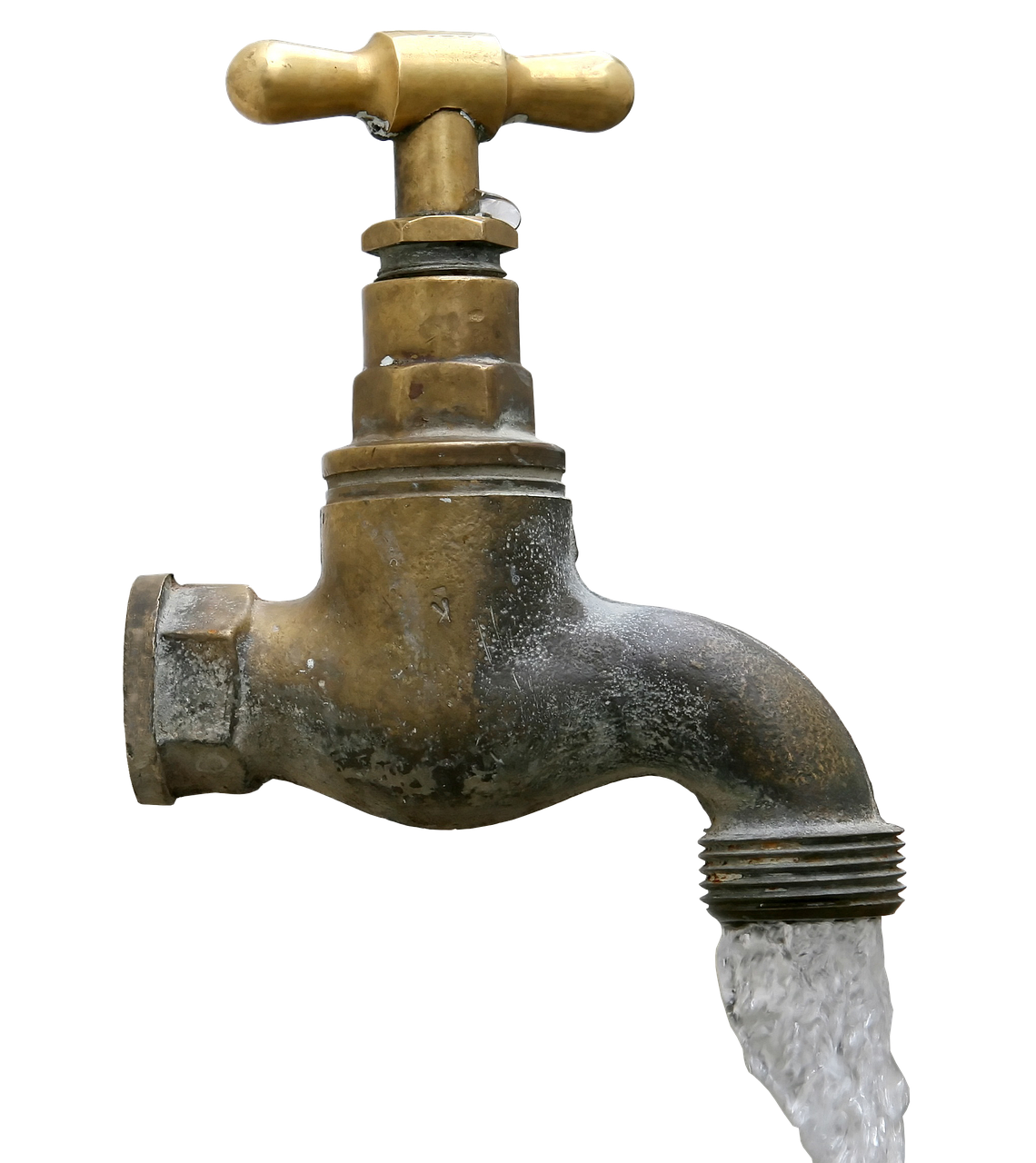
Denver homeowners face unique plumbing challenges, from unpredictable winters to the ever-growing list of home maintenance tasks. Many turn to online resources for Denver plumbing advice, yet finding reliable, expert-backed guidance can be overwhelming. This blog serves as your practical guide, offering practical tips, expert insights, and timely advice to navigate the complex world of plumbing maintenance, repairs, and installations. Whether you're tackling a minor leak or planning a major renovation, we've got you covered with the knowledge and resources needed to keep your Denver home's plumbing running smoothly.
- Understanding Denver's Plumbing Code: Your Guide
- Common Home Plumbing Issues: Prevention & Fix
- Expert Tips for Efficient Water Heater Maintenance
Understanding Denver's Plumbing Code: Your Guide
Understanding Denver's Plumbing Code: Navigating Regulations for Homeowners
For plumbing maintenance, repairs, or installations in Denver, adhering to local building codes is crucial for any homeowner. The City of Denver Building Codes outline essential standards to ensure the safety, health, and security of residents and buildings. As a Denver homeowner, understanding these codes can help you make informed decisions when seeking plumbing advice. This knowledge empowers you to collaborate effectively with local plumbers and contractors, ensuring your project complies with regulations.
The Denver Plumbing Code incorporates various aspects, from permitting requirements to specific material standards. Certain plumbing materials and installations may need approvals and certifications before they can be used. Understanding these regulations is vital, especially during renovations or new installations. A local plumbing contractor or the Denver Building Department can guide you through the permitting process, ensuring your project meets all necessary criteria.
The code addresses issues like water pressure regulation, waste disposal, and water conservation. Denver homeowners should be aware of these aspects, especially when dealing with plumbing maintenance. Understanding water pressure limits can help prevent damage to plumbing fixtures and ensure efficient water usage. Regularly reviewing the Denver Plumbing Code and seeking expert advice from local professionals can contribute to a safer and more sustainable plumbing system in your home.
Common Home Plumbing Issues: Prevention & Fix
Denver homeowners often face common plumbing issues that, with proper prevention and fix, can save time, money, and potential damage. One of the most frequent problems is clogs in the drain or sink, typically caused by grease buildup, hair, or foreign objects. To prevent this, regularly clean drain traps with a mixture of baking soda and vinegar, which can dissolve obstructions naturally. If a clog persists, consider reaching out to local plumbing contractors for expert advice, as they can navigate complex drain systems with minimal disruption to your home.
Leaky faucets are another frequent visitor for Denver plumbing advice. While minor leaks may go unnoticed, they can waste significant amounts of water over time. Regular inspection and maintenance, including tightening loose parts or replacing worn-out washers, can nip these issues in the bud. For more serious leaks, it's best to consult with a plumber to avoid further damage. They can recommend solutions tailored to the specific type of faucet, whether it's a traditional ball-valve or modern cartridge design.
Water heater problems are also common, with the most frequent issue being insufficient hot water. This can be addressed by ensuring the heater is properly sized for your home's needs. Installation advice from reputable sources, such as HomeAdvisor, suggests regularly checking water pressure and temperature settings to maintain optimal performance. If your water heater is old or inefficient, consider a green plumbing solution like a tankless water heater, which can save energy and space. Always consult with a professional to ensure any installation is up to Denver Building Department codes.
Expert Tips for Efficient Water Heater Maintenance
Denver homeowners often overlook one crucial aspect of home maintenance: efficient water heater care. This can lead to costly repairs or even complete replacements. As part of your Denver plumbing advice routine, we're sharing expert tips for keeping your water heater running smoothly. Regular maintenance can extend the life of your heater and ensure consistent, hot water throughout your home.
First, let's address the most common issue: mineral buildup. Hard water, a common occurrence in Denver due to the region's geological makeup, can leave behind calcium and magnesium deposits inside your water heater. These buildups act as insulation, preventing heat from reaching the water efficiently. To combat this, drain a quarter of your water heater's tank every three to six months. This process, known as flushing, removes mineral sediment, improving water circulation and energy efficiency. For installation advice, consider consulting a local Denver plumber who can guide you through the process and ensure your heater is correctly flushed.
Checking and replacing the anode rod is essential. This rod, made of a sacrificial metal, protects the tank from corrosion. Over time, the anode rod degrades, allowing for the growth of bacteria and increasing the risk of tank failure. Most Denver plumbing contractors recommend inspecting the anode rod every one to three years and replacing it when it shows signs of wear, typically every five to ten years. By following these simple steps, Denver homeowners can significantly reduce the risk of unexpected water heater failures.
Frequently Asked Questions About Denver Plumbing Tips: Expert Advice for Homeowners A local plumbing advice blog focused on helping Denver homeowners with maintenance, repairs, and installation tips. Search intent: informational.
What are the most common plumbing issues in Denver homes?
Denver's unique climate and aging infrastructure can lead to several common plumbing problems. Leaks, low water pressure, clogs, and freezing pipes during the cold winters are frequent concerns. Old pipes, especially in older neighborhoods, often require replacement due to corrosion and mineral buildup. Regular maintenance, like checking for leaks and cleaning out drain traps, can prevent many of these issues.
How do I know if I need a plumber?
If you experience persistent water leaks, fluctuating water pressure, unusual noises from pipes, or frequent clogs, it's time to call a plumber. Unaddressed plumbing issues can lead to water damage, mold, and increased utility bills. A qualified plumber can diagnose the problem, provide solutions, and ensure your plumbing system operates efficiently.
What should I look for when hiring a Denver plumber?
When hiring a plumber, check for:
- Licensing and insurance: Ensure the plumber is licensed and insured to protect against potential damage and legal issues.
- Experience: Look for a plumber with experience handling issues similar to yours.
- References: Ask for references from previous clients to gauge their satisfaction.
- Clear communication: A good plumber should listen to your concerns, explain their work, and provide transparent pricing.
How much does a typical plumbing repair in Denver cost?
Plumbing repair costs in Denver vary depending on the issue. Simple leaks or clogs can range from $100 to $300, while more involved issues like pipe replacements or water heater repairs can cost $500 or more. It's important to get quotes from multiple plumbers to understand the full range of costs involved.
Can I perform plumbing repairs myself, or should I hire a professional?
While some minor plumbing tasks, like replacing a sink faucet or unclogging a drain, can be tackled by homeowners, more complex repairs often require professional expertise. Attempting to fix serious plumbing problems yourself can lead to further damage and costly mistakes. A qualified plumber has the tools, knowledge, and experience to ensure the job is done right.
What are some tips for maintaining my Denver plumbing system?
Regular maintenance is key to keeping your plumbing system in good condition. Here are some tips:
- Check for leaks regularly: Even small leaks can waste a significant amount of water over time.
- Flush drains with hot water: This helps clear out built-up grease and debris.
- Use a water softener: Hard water can contribute to mineral buildup in pipes, leading to clogs and leaks.
- Insulate pipes during cold weather: Protecting pipes from freezing temperatures can prevent burst pipes.
As you navigate the world of Denver plumbing advice, remember that staying informed and proactive is key. By understanding the city's plumbing code, recognizing common issues, and adopting expert maintenance practices, you can ensure your home's plumbing system operates efficiently and reliably. Regular attention to these areas, guided by the insights from this article, will help you avoid costly repairs and promote the longevity of your plumbing. Stay updated on local building codes, consult with licensed contractors, and don't hesitate to seek emergency services from trusted professionals like those found on platforms like HomeAdvisor. With a bit of knowledge and the right resources, you're well-equipped to handle any plumbing challenge that comes your way.
References
- Google - Wikipedia — en.wikipedia.org