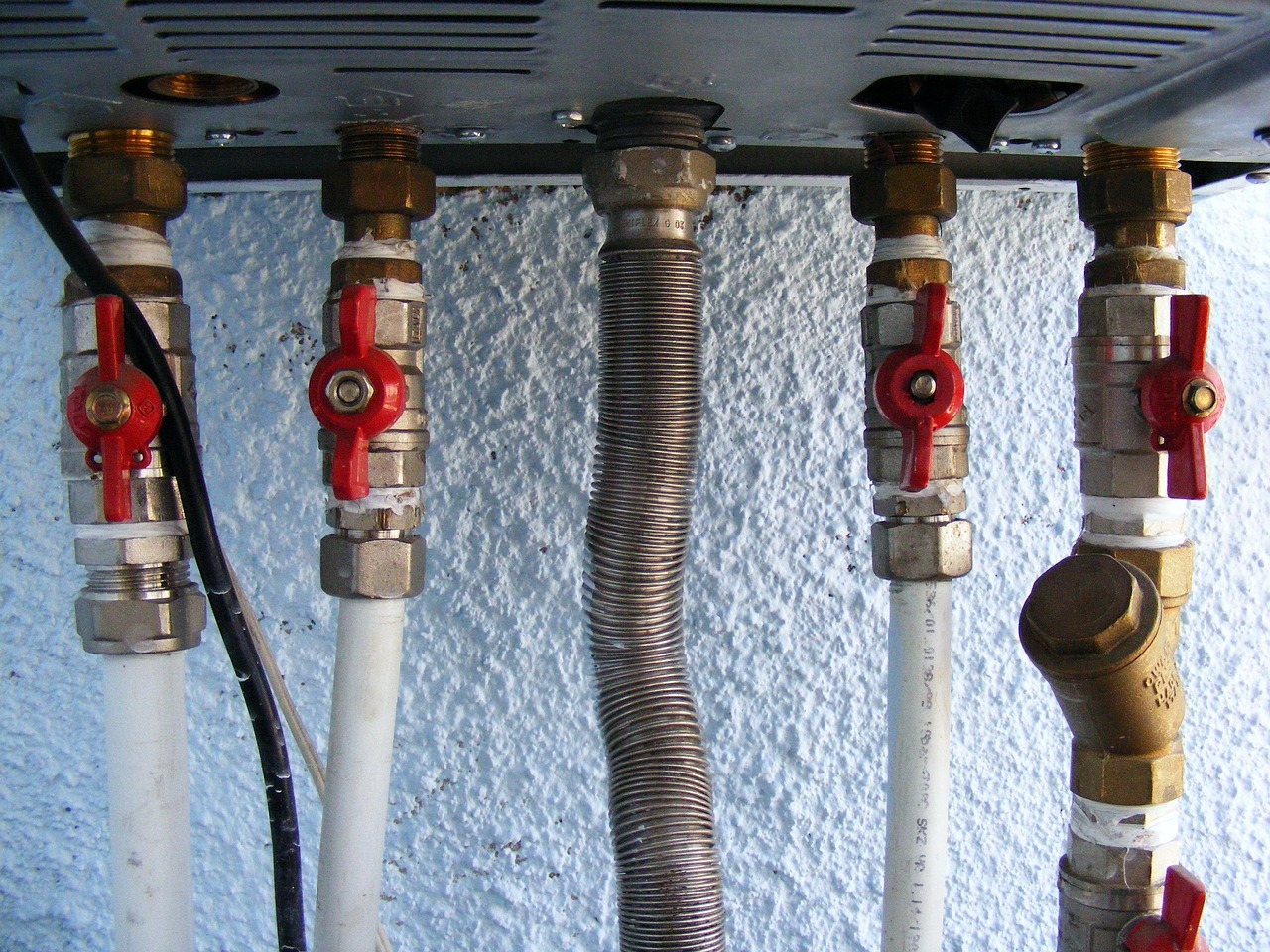
Denver homeowners face unique challenges for plumbing. From unpredictable weather impacts to the city's specific building codes, proper maintenance and repairs can be tricky. This is where expert Denver plumbing advice becomes invaluable. This blog is your go-to resource for practical, reliable tips to keep your home's plumbing system running smoothly. Whether you're facing a burst pipe, looking to install a water-efficient toilet, or simply want to ensure your plumbing complies with City of Denver regulations, we've got you covered. Let's dive in and explore the insights and resources tailored to Denver's unique plumbing landscape.
- Understanding Denver's Plumbing Code: Essential Do's and Don'ts
- Common Denver Plumbing Issues: Prevention and Troubleshooting
- Hiring Denver Plumbers: Expert Guidance for Safe, Efficient Installations
Understanding Denver's Plumbing Code: Essential Do's and Don'ts
Understanding Denver's Plumbing Code: Navigating the Do's and Don'ts
Denver homeowners, when tackling plumbing projects, must familiarize themselves with the City's Building Codes, specifically those related to plumbing. These codes ensure safety and proper installation, preventing potential hazards. The Denver plumbing advice from local experts suggests a thorough understanding of these regulations, especially for repairs and installations. One of the first steps in any plumbing project is to verify if your work aligns with the current codes, which can be found on the Denver Building Department's website.
For installation advice, homeowners should note that certain plumbing systems, such as water heaters, must be installed by licensed professionals to maintain safety standards. Gas-powered heaters require ventilation and safety measures that only licensed contractors can ensure. The code outlines specific requirements for water pressure, temperature, and flow rates, which must be met to prevent leaks and ensure efficient plumbing.
As for repair services, knowing when to call a professional is crucial. The Plumber's Local Guide recommends seeking expert help for complex issues, such as mysterious water damage or persistent clogs. In these cases, a licensed plumber can identify code-compliant solutions, ensuring your home remains safe and compliant. For minor maintenance tasks, like cleaning drains or replacing aerators, the blog offers practical plumbing tips accessible to homeowners. However, if the project involves major renovations or the replacement of entire systems, it's best to consult a contractor familiar with Denver plumbing advice and current building codes.
By understanding and adhering to these regulations, Denver homeowners can protect their properties and stay informed about the latest plumbing tips and best practices.
Common Denver Plumbing Issues: Prevention and Troubleshooting
Denver homeowners often face unique plumbing challenges due to the city's climate and age of homes. This section offers tailored Denver plumbing advice on identifying and addressing common issues before they become costly emergencies. Understanding these problems is the first step in effective plumbing maintenance.
One prevalent issue is frozen pipes during the cold winters. To prevent this, homeowners should insulate exposed pipes in attics and basements, and consider using heat tape or electric heating pads on vulnerable areas. If pipes do freeze, know that breaking the ice slowly from the faucet end can prevent damage. Turning on the faucet slightly can help regulate temperature and prevent burst pipes. Regular insulation checks and maintenance during fall and winter are crucial.
Another frequent problem is outdated or faulty water heaters. A water heater that is too small for the household or more than 10 years old can lead to inadequate hot water supply or potential safety hazards. Denver plumbing advice recommends testing water heaters regularly for proper functioning and considering energy-efficient models for cost savings and safety. Replacing an old heater promptly can prevent scalding or freezing issues and ensure a steady hot water supply throughout the home.
Leaky faucets and toilets are also common, often caused by worn-out gaskets or seals. Simple DIY repairs can be performed by replacing these parts, but for complex issues, it's best to call a professional. The Denver Homeowners Association offers resources and workshops on basic plumbing maintenance, empowering residents to tackle minor problems themselves. However, for larger repairs or installations, consulting with local plumbing contractors familiar with the City of Denver Building Codes is essential to ensure compliance and a job well done.
Hiring Denver Plumbers: Expert Guidance for Safe, Efficient Installations
When facing plumbing installations or upgrades, Denver homeowners often turn to professionals for expert Denver plumbing advice. Hiring the right plumber is crucial for safe, efficient, and code-compliant work. Start by checking the contractor's licenses and certifications, ensuring they align with the City of Denver Building Codes. Reputable plumbers will be members of local trade associations like the Denver Homeowners Association, demonstrating a commitment to industry standards.
Before hiring, discuss the project in detail. Experienced plumbers should provide a clear, itemized plan outlining costs, timelines, and any necessary permits. If planning a kitchen remodel, ask about the scope of work, including water line replacements and new plumbing fixtures. This upfront communication ensures expectations are met and helps avoid costly surprises. Ask about their emergency response policy, as sudden plumbing issues can arise, and having a 24/7 option like Plumbing Doctor can be invaluable.
Next, consider the plumber's reputation and past work. Check online reviews on platforms like HomeAdvisor, which offer insights from previous clients. Look for consistent positive feedback on both quality of work and professionalism. Inquire about warranties on their installations. Eco-Plumbing, for example, might offer green plumbing solutions with extended warranties, appealing to environmentally conscious Denver homeowners. Remember, the goal is to find a plumber who not only gets the job done right but also becomes a valuable resource for future plumbing maintenance needs.
Frequently Asked Questions About Denver Plumbing Tips: Expert Advice for Homeowners A local plumbing advice blog focused on helping Denver homeowners with maintenance, repairs, and installation tips. Search intent: informational.
What are some common plumbing issues in the Denver area?
The Denver area, with its unique water conditions and varying climates, can present specific plumbing challenges. Common issues include water pressure problems, hard water stains, and even frozen pipes in colder months. Leaks, clogs, and low water pressure are frequent concerns, often stemming from outdated pipes, mineral buildup, or tree root intrusion. Understanding these common problems empowers homeowners to schedule regular maintenance or address issues promptly.
When should I call a professional plumber instead of trying to fix it myself?
While DIY repairs can be satisfying, plumbing issues can be complex and potentially dangerous. If you encounter persistent problems, unusual noises, or signs of water damage, it's best to call a professional. Professionals have the expertise to diagnose subtle issues and offer long-term solutions. Plus, they carry specialized tools and products, ensuring the job is done safely and effectively.
How do I know if I need a repipe, and what's involved in the process?
Repiping is necessary when existing pipes are severely corroded, damaged, or outdated, leading to leaks, low water pressure, or poor water quality. It involves removing and replacing the old pipes with new ones. The process starts with an inspection to identify the extent of the issue. Then, a contractor will access the pipes (often through shut-off valves and sinks), replace them, and restore water service. Repiping is a significant project, but it ensures a reliable plumbing system.
What are some tips for maintaining my plumbing system to avoid future issues?
Regular maintenance is key to preventing plumbing problems. Insulate pipes exposed to extreme temperatures to prevent freezing. Use water softeners to reduce mineral buildup, which can lead to clogs and leaks. Avoid pouring grease or coffee grounds down the drain to prevent clogs. Check for leaks and fix them promptly. Finally, schedule annual inspections to ensure your system's longevity.
How do I know if I'm getting a fair price for plumbing services?
Fair pricing depends on the complexity of the work and local labor rates. Request detailed quotes from several contractors, comparing both the cost of parts and labor. Be wary of extremely low quotes, as they might indicate subpar work. Check online reviews and ask for referrals to gauge a contractor's reputation and value. Understanding your local market rates and comparing quotes will ensure you receive a fair and transparent price.
As Denver continues to grow, understanding the local plumbing code and common issues is crucial for homeowners. By following the expert advice in this Denver plumbing advice blog, you can ensure your home's plumbing system remains reliable and safe. Familiarize yourself with the City of Denver Building Codes and the Denver Water utility provider's guidelines for maintenance and repairs. Remember, proactive measures like regular check-ups and simple fixes can prevent costly, time-consuming emergencies.
When facing plumbing issues, troubleshooting tips from the Plumber's Local Guide and trusted local contractors can save you time and money. Identifying and addressing leaks early can prevent significant water damage and utility bills. If an emergency arises, having a reliable emergency service like Plumbing Doctor on speed dial is invaluable.
For installations or upgrades, consider the expertise of franchises like HomeMaster or explore eco-friendly solutions through organizations like Eco-Plumbing. When hiring a plumber, use platforms like HomeAdvisor to find professionals who adhere to Denver Building Department standards and best practices. Stay informed through local news channels for weather and safety updates, and join community programs like Neighborhood Watch and the Red Cross for added peace of mind.
Leveraging the insights from this Denver plumbing advice article equips homeowners with the knowledge to maintain, repair, and upgrade their plumbing systems effectively. By staying informed and connecting with trusted professionals, you can ensure your home's plumbing meets Denver's standards while contributing to a safe, sustainable community.
References
- Riyadh Province - Wikipedia — en.wikipedia.org