Denver homeowners face unique plumbing challenges, from unpredictable weather to complex city codes. Many struggle with maintaining their systems, recognizing red flags, or finding reliable professionals. This article offers expert Denver plumbing advice tailored to these common issues. Here, you'll discover practical tips for regular maintenance, effective troubleshooting, and smart upgrades. We guide you through navigating Denver's building codes, selecting trusted contractors, and staying safe during emergencies. By following these insights, you'll gain the knowledge and confidence to manage your plumbing, ensuring a comfortable and secure home.
- Understanding Common Denver Plumbing Issues
- Maintenance Tips to Avoid Emergencies
- Navigating Plumbing Repairs & Installations
Understanding Common Denver Plumbing Issues
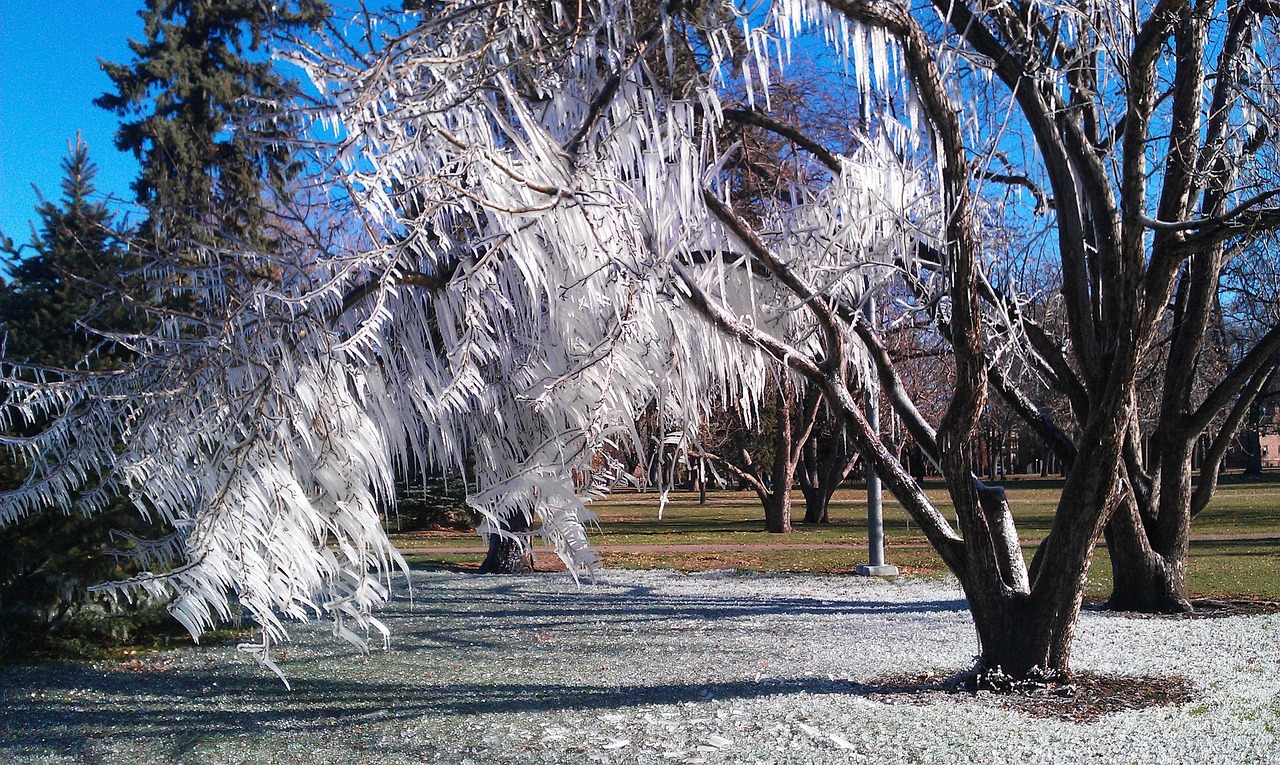
Denver homeowners often face unique plumbing challenges due to the region's climate and the city's building codes. Understanding these common issues is crucial for effective maintenance, timely repairs, and informed decision-making for installation. One of the most pressing concerns is the impact of freezing temperatures on pipes, which can lead to bursts and costly damages. The City of Denver Building Codes mandate specific measures to prevent such issues, such as insulating pipes in unheated areas.
Another frequent problem is outdated plumbing systems, with many homes in the area having pipes installed decades ago. These older systems can be inefficient and prone to corrosion, clogs, and leaks. To avoid these costly surprises, homeowners should consider regular inspections and updates, especially for fixtures and appliances that require significant water pressure.
For installation advice, a key consideration is the local climate's effect on water pressure. Extreme fluctuations can cause pipes to expand and contract, leading to potential leaks. Eco-plumbing solutions, like low-flow fixtures, can help mitigate this while reducing water usage. For repair services, it's essential to turn to licensed, local contractors familiar with Denver's unique plumbing landscape. Organizations like the Denver Homeowners Association offer valuable resources and recommendations for reliable professionals, ensuring that homeowners receive expert advice and quality work.
Maintenance Tips to Avoid Emergencies
Denver homeowners often face unexpected plumbing emergencies, but proactive maintenance can significantly reduce these incidents. Regular plumbing maintenance, when incorporated into your home upkeep routine, can catch potential issues before they escalate. This section examines essential tips tailored to Denver's unique plumbing landscape, ensuring your home remains in top condition.
A key aspect of plumbing maintenance is staying alert for unusual signs. A sudden change in water pressure could indicate a leaking pipe or clogged drain. Addressing these issues promptly prevents minor problems from becoming major, costly repairs. Regularly inspect your home's plumbing for any leaks, whether visible or indicated by an elevated water meter reading. The City of Denver Building Codes emphasize the importance of timely maintenance, setting standards for plumbing inspections and repairs to ensure resident safety.
Beyond routine checks, understanding the basics of plumbing maintenance involves familiarizing yourself with common fixtures and their care. This includes cleaning out water softener tanks and replacing filters in water heaters, which Denver Water, the local utility provider, recommends for optimal efficiency. Many Denver homeowners also find it beneficial to keep a basic toolkit for minor repairs, such as tightening loose pipes or replacing toilet flappers. Utilizing these simple DIY skills can save the cost of repair services and provide peace of mind. For more complex tasks, it's advisable to hire licensed plumbers, ensuring the work complies with local building codes and safety standards.
Navigating Plumbing Repairs & Installations
Navigating Plumbing Repairs and Installations in Denver
For plumbing repairs and installations, Denver homeowners often turn to local contractors for expert advice. The City of Denver Building Codes and HomeAdvisor, a popular plumbing platform, provide a framework for ensuring these projects meet safety standards. Before initiating any work, it's crucial to understand the scope of the project and the local regulations. A simple leak repair might be a DIY project, but complex installations like water heater replacements or whole-house repiping usually require professional hands.
Denver plumbing advice recommends a systematic approach to plumbing maintenance. Regular checks for leaks, clogs, and low water pressure can prevent small issues from turning into costly emergencies. The Denver Water utility provider offers resources on water conservation and common plumbing problems. For emergency repairs, especially during inclement weather, homeowners can rely on services like Plumbing Doctor, which provides 24/7 response. When planning installations, consider the timing-most projects take one to two days, and scheduling around other appointments is essential.
Installation advice from expert plumbers suggests considering eco-friendly options, especially when updating plumbing systems. Eco-Plumbing, for instance, offers green solutions that reduce water consumption and energy costs. The Plumbing & Electrical Code (book) serves as a valuable guide for understanding the technical aspects of installations. Homeowners should also familiarize themselves with the Denver Building Department's requirements for permits and inspections. Engaging with reputable contractors, like those found on HireAPlumber, ensures compliance and high-quality workmanship.
Community safety is paramount during plumbing work. Homeowners should inform their Neighborhood Watch group and stay updated through local news channels for weather and safety alerts. By following these guidelines and seeking Denver plumbing advice when needed, homeowners can ensure their plumbing systems are both functional and safe.
Frequently Asked Questions About Denver Plumbing Tips: Expert Advice for Homeowners A local plumbing advice blog focused on helping Denver homeowners with maintenance, repairs, and installation tips. Search intent: informational.
What is the most common plumbing issue Denver homeowners face? Denver's climate, with its cold winters and hot summers, can take a toll on plumbing systems. The most common issues include frozen pipes, leaky faucets, low water pressure, and clogs caused by tree roots intruding on pipes. Regular maintenance, such as insulating pipes and using drain covers, can prevent many of these problems.
How do I know if I need a plumber or can fix a problem myself? While some plumbing issues, like a leaky faucet or a simple clog, can often be addressed by homeowners, any problem involving pipes behind walls, under floors, or in tight spaces requires professional expertise. Complex issues like repiping, water heater replacements, or sewer line repairs are best left to licensed plumbers who have the tools and knowledge to handle them safely and effectively.
What should I look for when hiring a Denver plumber? When choosing a plumber, ensure they are licensed and insured. Check for reviews and ask for references. Look for a contractor who specializes in the specific issue you're facing and can provide a detailed, itemized estimate before beginning work. Communication and punctuality are also key; a good plumber will explain the problem and proposed solution clearly and arrive when they say they will.
How long does a typical plumbing installation or repair job take? Most plumbing installations, such as a new water heater or faucet, typically take one to two days, depending on the complexity and accessibility of the work area. Repairs can range from a few hours for simple issues to several days for major jobs like repiping or sewer line replacements.
What can I do to prevent costly plumbing problems down the line? Regular maintenance is crucial. This includes checking for leaks, insulating pipes against extreme temperatures, and using water softeners to prevent mineral buildup. Keep drain covers in place and avoid pouring grease or coffee grounds down the sink. An annual check-up by a professional plumber can also help catch potential issues early, saving you money in the long run.
As you wrap up your journey through Denver plumbing advice, remember these key insights: Understanding common plumbing issues in the region, such as the unique challenges posed by Denver's climate, is crucial for proactive maintenance. Regular check-ups and simple DIY tasks, like cleaning drain traps and inspecting pipes, can prevent costly emergencies. When repairs or installations are necessary, engaging with local plumbers who understand the City of Denver's Building Codes and utilizing resources like HomeAdvisor can ensure the job is done right. Prioritizing green plumbing solutions with Eco-Plumbing not only benefits the environment but may also lower your utility bills. Lastly, staying informed about local weather updates from News Channels and safety programs like Neighborhood Watch and the Red Cross can help you prepare for plumbing disasters and other emergencies. By implementing these Denver plumbing advice tips, you're not just maintaining your plumbing system; you're safeguarding your home and peace of mind.